As we discuss the challenges and opportunities with our global clients, the following trends continue to emerge. In addition, we explore these trends in detail in our new 2025 Aerospace and Defense World of Work research.
Technology Innovation
In the coming years, technological innovations will continue to drive significant changes in the aerospace and defense industries. The integration of artificial intelligence (AI) and machine learning (ML) will revolutionize various aspects of these fields. AI-powered systems will enable smarter decision-making, predictive maintenance, and enhanced operational efficiency. For instance, AI algorithms can analyze vast amounts of data collected from aircraft sensors to predict potential failures before they occur, thereby reducing downtime and improving safety. Naturally, this will necessitate a different skill set in the workforce than before.
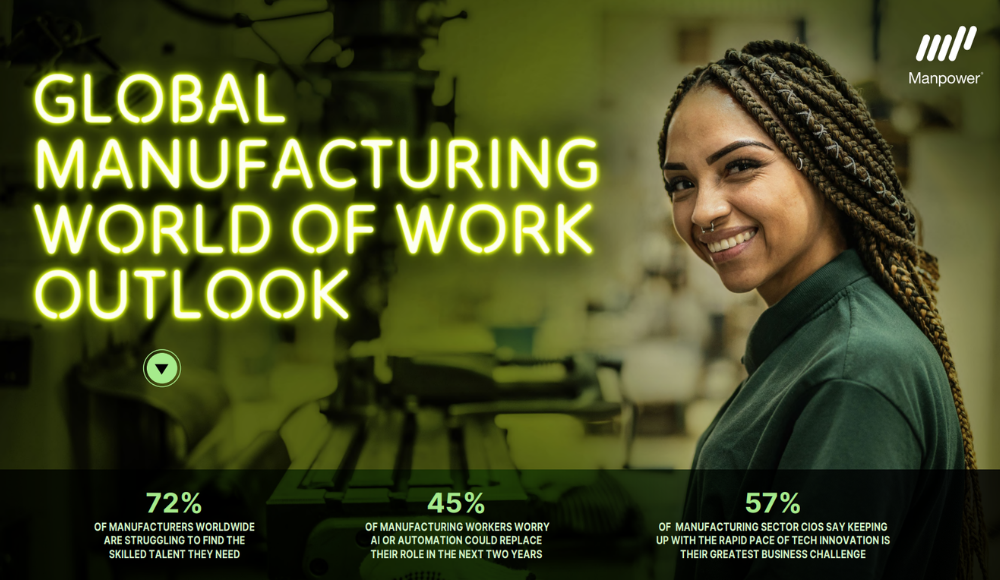
Automation is another key trend that will reshape the workforce. Automated systems and robotics will take over repetitive and hazardous tasks, allowing human workers to focus on more complex and strategic activities. In manufacturing, the use of robotics for assembling aircraft components will increase precision and reduce production time. Moreover, autonomous vehicles and drones will play a crucial role in surveillance, reconnaissance, and logistics, transforming the way defense operations are conducted. One might assume that these advancements would reduce the workforce, but our MEOS indicates that 59% of hiring managers in the Industrial sector believe that technologies like Artificial Intelligence (AI), Machine Learning (ML), and Virtual Reality (VR) will actually increase their headcount over the next two years. In Singapore, 58% of hiring managers in the sector share the sentiment.
Digital Transformation
Digital transformation is set to be a major driver of change in the aerospace and defense sectors. The adoption of digital twins—virtual replicas of physical assets—will enable real-time monitoring and optimization of aircraft and defense systems. These digital models will facilitate predictive maintenance, enhance performance, and reduce operational costs. Furthermore, the use of blockchain technology will enhance security and transparency in supply chains, ensuring the integrity of critical components.
The shift towards digital platforms will also necessitate a new set of skills among workers. Data analytics, cybersecurity, and software development will become essential competencies. Aerospace and defense companies will need to invest in training programs and partnerships with educational institutions to equip their workforce with the necessary skills. What was once handled entirely internally now needs to be a multifaceted collaboration with various external partners, creating a comprehensive talent upskilling program designed for the future.
Workforce Demographics
As the aerospace and defense industries evolve, so too will the demographics of their workforce. The influx of younger generations, including Millennials and Gen Z, will bring fresh perspectives and a strong affinity for technology. These digital natives will drive innovation and contribute to the industry's growth. However, attracting and retaining talent will be a challenge, as these generations seek meaningful and purpose-driven work. A defense sector client shared their success in engaging young talent through continuous learning and development programs. Initiatives like this will be crucial for the industry, they have to identify the strategies that attract and retain the talent they so desperately need. The widening skill gap in the industry presents a significant challenge, underscoring the need for a robust talent strategy.Remote Work and Collaboration
The COVID-19 pandemic has accelerated the adoption of remote work and virtual collaboration across industries, including aerospace and defense. While certain tasks, such as manufacturing and maintenance, require physical presence, many other functions can be efficiently performed remotely. Engineers, data analysts, and project managers can collaborate seamlessly using digital tools and platforms.
The future of work will likely involve a hybrid model, combining in-person and remote work. Companies will need to invest in robust IT infrastructure, cybersecurity measures, and collaborative software to support remote work. Flexibility in work arrangements will be crucial for attracting and retaining top talent, as employees increasingly prioritize work-life balance.
Geopolitical Landscape
The geopolitical landscape will continue to influence the aerospace and defense industries. Shifts in global power dynamics, emerging threats, and changing alliances will impact defense strategies and priorities. Companies will need to adapt to evolving regulations, export controls, and international partnerships.
Cybersecurity will be a paramount concern. As defense systems become more interconnected and reliant on digital technologies, the risk of cyberattacks increases. Protecting sensitive information and critical infrastructure will require continuous investment in cybersecurity measures and a skilled workforce.
Sustainability and Environmental Impact
Sustainability is becoming an increasingly important consideration in aerospace and defense. The industry faces pressure to reduce its environmental footprint and adopt greener practices. Innovations in materials, propulsion systems, and energy-efficient designs will play a key role in achieving sustainability goals.Companies will need to prioritize environmental stewardship and align their operations with global sustainability standards. This shift will require collaboration with governments, research institutions, and other stakeholders to develop and implement sustainable technologies. Attracting the right talent is crucial for this transformation, as the aerospace and defense sector competes with other industries also striving for a sustainable future.
Opportunities for Growth
Despite the challenges, the future of work in aerospace and defense offers numerous opportunities for growth. The increasing demand for air travel, space exploration, and advanced defense systems presents a promising outlook. The expansion of commercial space ventures, such as satellite launches and space tourism, will create new markets and job opportunities.Furthermore, the rise of urban air mobility and electric aircraft will revolutionize transportation. These innovations will require skilled engineers, designers, and technicians to bring them to fruition. The development of new defense technologies, including hypersonic weapons and directed energy systems, will drive investment and innovation in the sector.
Conclusion
The future of work in aerospace and defense is set to be transformative, driven by technological advancements, changing workforce demographics, and evolving geopolitical factors. Companies in these industries must embrace digital transformation, invest in cybersecurity and sustainability. By adapting to these changes, the aerospace and defense sectors can continue to thrive and contribute to global progress and security.
As we navigate this dynamic landscape, it is clear that the future holds immense potential for innovation and growth. The aerospace and defense industries will continue to be at the forefront of technological advancements, shaping the way we travel, communicate, and protect our world. However, the true winners in this evolving industry will not only be those with the newest technology but also those who excel in attracting and nurturing talent. Companies that give the same strategic thought to workforce investments as they do to technological advancements will lead the way. By prioritizing talent development and creating an environment where innovation thrives, these organizations will be best equipped to drive progress and achieve sustained success.
With a skilled workforce, this sector is well-positioned to meet the challenges and seize the opportunities that lie ahead. To learn more, read our new 2025 Aerospace and Defense World of Work report.
Author
Louise Ramstedt
Louise Ramstedt is the Global Vice President and General Manager of ManpowerGroup’s Industrial practice. She oversees strategy and sales for the organization’s top global enterprise clients across the Industrial, Energy, Materials, Transport & Logistics, and Utilities sectors. Since joining ManpowerGroup Sweden in 2000, Louise has held increasingly senior roles in sales and operations with both Manpower and Experis. Her career has been dedicated to customer-centric work, consistently striving for continuous improvement and high customer satisfaction. Her extensive leadership experience has provided her with a comprehensive understanding of the talent business landscape. Louise emphasizes learning, development, and teamwork, believing that learnability is the most critical skill in today’s workforce. This belief shapes her leadership approach, fostering an environment of continuous learning and development. She earned her master’s degree in Human Resources and Work Environment.